As an apparel brand owner or sourcing manager, you’ve likely seen the OEKO-TEX logo on fabric hangtags and supplier websites. But what does this certification actually mean? And more importantly, why should it matter when you’re choosing a textile partner for your next collection?
In this comprehensive guide, we’ll walk you through everything you need to know about OEKO-TEX Standard 100 — from what it tests for, to how it benefits your brand, to how to verify a supplier’s certification. As an OEKO-TEX certified manufacturer since 2018, Yiwin Textiles is proud to help global brands navigate these important standards.
What Is OEKO-TEX Standard 100?
OEKO-TEX Standard 100 is a globally recognized independent testing and certification system for textile products at all stages of production. It was introduced in 1992 by the International OEKO-TEX Association, a consortium of 18 independent research and testing institutes across Europe and Japan.
In simple terms: if a textile product carries the Standard 100 label, it means every component of that product — from the fabric and threads to the dyes, buttons, and zippers — has been tested for harmful substances and found completely safe for human use.
What Substances Does OEKO-TEX Test For?
The OEKO-TEX testing criteria are extensive and updated annually based on the latest scientific research. They include:
- Banned Azo Dyes: Certain azo dyes can break down into aromatic amines, which are classified as carcinogenic. OEKO-TEX prohibits their use.
- Formaldehyde: A chemical often used in textile finishing that can cause skin irritation and respiratory issues. OEKO-TEX sets strict limits.
- Heavy Metals: Including lead, cadmium, mercury, and chromium — all of which can be toxic even in trace amounts.
- Pesticides and Herbicides: Residues from cotton farming and other natural fiber production are tested and regulated.
- Chlorinated Phenols: Used as preservatives and pesticides, these compounds are strictly limited.
- Phthalates and Bisphenols: Plasticizers commonly found in synthetic materials and prints that can disrupt hormones.
- PFAS (Per- and Polyfluoroalkyl Substances): So-called “forever chemicals” increasingly regulated in Europe and North America.
The Four OEKO-TEXT Product Classes
Not all textiles require the same level of safety. OEKO-TEX Standard 100 divides products into four classes based on their intended use and skin contact intensity:
| Class | Intended Use | Requirements |
|---|---|---|
| Class I | Products for babies and toddlers (0-3 years) | Most stringent limits. Every substance is tested at the strictest level. |
| Class II | Products with direct and prolonged skin contact | Includes underwear, leggings, t-shirts, bedding. High safety standards. |
| Class III | Products with limited or no skin contact | Includes jackets, coats, outdoor wear. Moderate safety standards. |
| Class IV | Decoration and furnishing materials | Includes curtains, tablecloths, upholstery. Basic safety standards. |
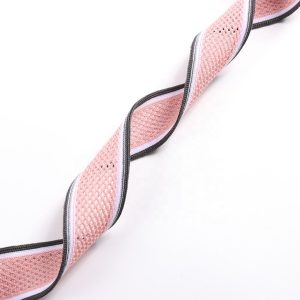
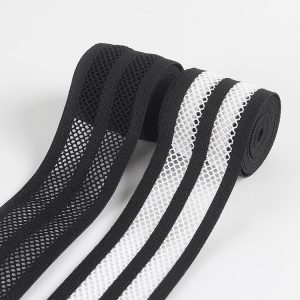
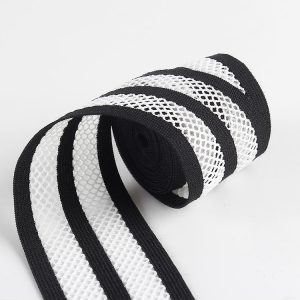
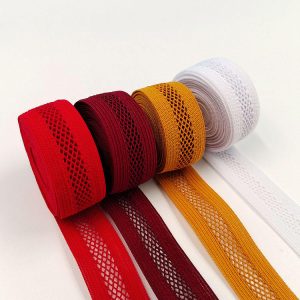
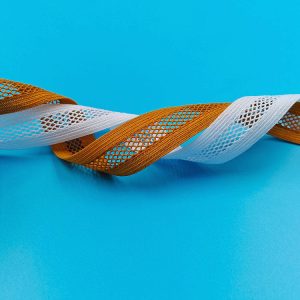
Yiwin Textiles’ elastic webbing and fabrics are certified to Class I and Class II standards, meaning our products are safe enough for baby clothing — the most demanding use case in the textile industry.
Why OEKO-TEX Certification Matters for Your Brand
For apparel brands, choosing OEKO-TEX certified suppliers isn’t just about compliance — it’s a strategic business decision with tangible benefits:
1. Consumer Trust & Brand Reputation
Today’s consumers are increasingly conscious about what touches their skin. A 2024 McKinsey survey found that 67% of consumers consider sustainability and safety claims important when making purchasing decisions. Displaying the OEKO-TEX logo on your products signals transparency and responsibility.
2. Regulatory Compliance & Risk Reduction
Regulations around textile safety are tightening globally. The EU’s REACH regulation, California’s Proposition 65, and similar laws in markets worldwide impose strict limits on hazardous substances. By sourcing from OEKO-TEX certified suppliers, you proactively reduce the risk of recalls, fines, or market access issues.
3. Competitive Differentiation
In crowded marketplaces, certification provides a clear differentiator. When your brand can say “every component of this garment is OEKO-TEX certified,” you stand out from competitors who cannot make that claim. This is especially powerful in the baby, children’s, and intimate apparel categories.
4. Streamlined Supply Chain Auditing
Instead of conducting your own expensive and time-consuming chemical testing for every batch, you can rely on OEKO-TEX’s independent, annual re-certification process. This saves time and resources while maintaining rigorous safety standards.
5. Sustainability Alignment
OEKO-TEX Standard 100 certification complements broader sustainability initiatives. Combined with certifications like GRS (Global Recycled Standard) or GOTS (Global Organic Textile Standard), it builds a comprehensive environmental and safety profile for your products.
How to Verify a Supplier’s OEKO-TEX Certification
Unfortunately, some suppliers falsely claim OEKO-TEX certification. Before partnering with a supplier claiming to be certified, take these verification steps:
- Ask for the Certificate Number: Every valid OEKO-TEX certificate has a unique number (e.g., SH025 123456). The certificate is issued to a specific company at a specific manufacturing location — not transferable between factories.
- Check the OEKO-TEX Online Directory: Visit the official OEKO-TEX website and use their Label Check tool. Enter the certificate number to confirm its validity, the certified company name, and the product categories covered.
- Check the Expiry Date: OEKO-TEX certificates are valid for 12 months and must be renewed annually. Ensure the certificate is current.
- Match the Company Name: Verify that the name on the certificate exactly matches the supplier’s legal business name.
Yiwin Textiles welcomes all prospective clients to verify our OEKO-TEX certification through the official OEKO-TEX Label Check. We provide our certificate number and documentation upon request.
OEKO-TEX vs. Other Textile Certifications
OEKO-TEX Standard 100 is one of several textile certifications. Here’s how it compares:
- OEKO-TEX Standard 100 vs. GOTS: GOTS (Global Organic Textile Standard) certifies organic fiber content AND addresses social and environmental criteria throughout production. OEKO-TEX Standard 100 focuses specifically on harmful substance testing in the final product, regardless of whether fibers are organic or conventional.
- OEKO-TEX Standard 100 vs. Bluesign: Bluesign takes a broader “input stream management” approach, assessing the entire manufacturing process for environmental impact and worker safety. OEKO-TEX Standard 100 is product-focused, testing the final textile for human safety.
- OEKO-TEX Standard 100 vs. REACH Compliance: REACH is a European Union regulation that applies to all products sold in the EU. OEKO-TEX Standard 100 goes beyond minimum REACH requirements, testing for additional substances and setting stricter limits in many categories.
For most apparel brands, OEKO-TEX Standard 100 is the essential baseline certification for product safety. Depending on your market positioning, you may complement it with additional certifications.
Partnering with an OEKO-TEX Certified Manufacturer: What to Expect
When you work with an OEKO-TEX certified manufacturer like Yiwin Textiles, you benefit from:
- Full Traceability: We can identify exactly which chemicals and materials went into your specific order, backed by documentation.
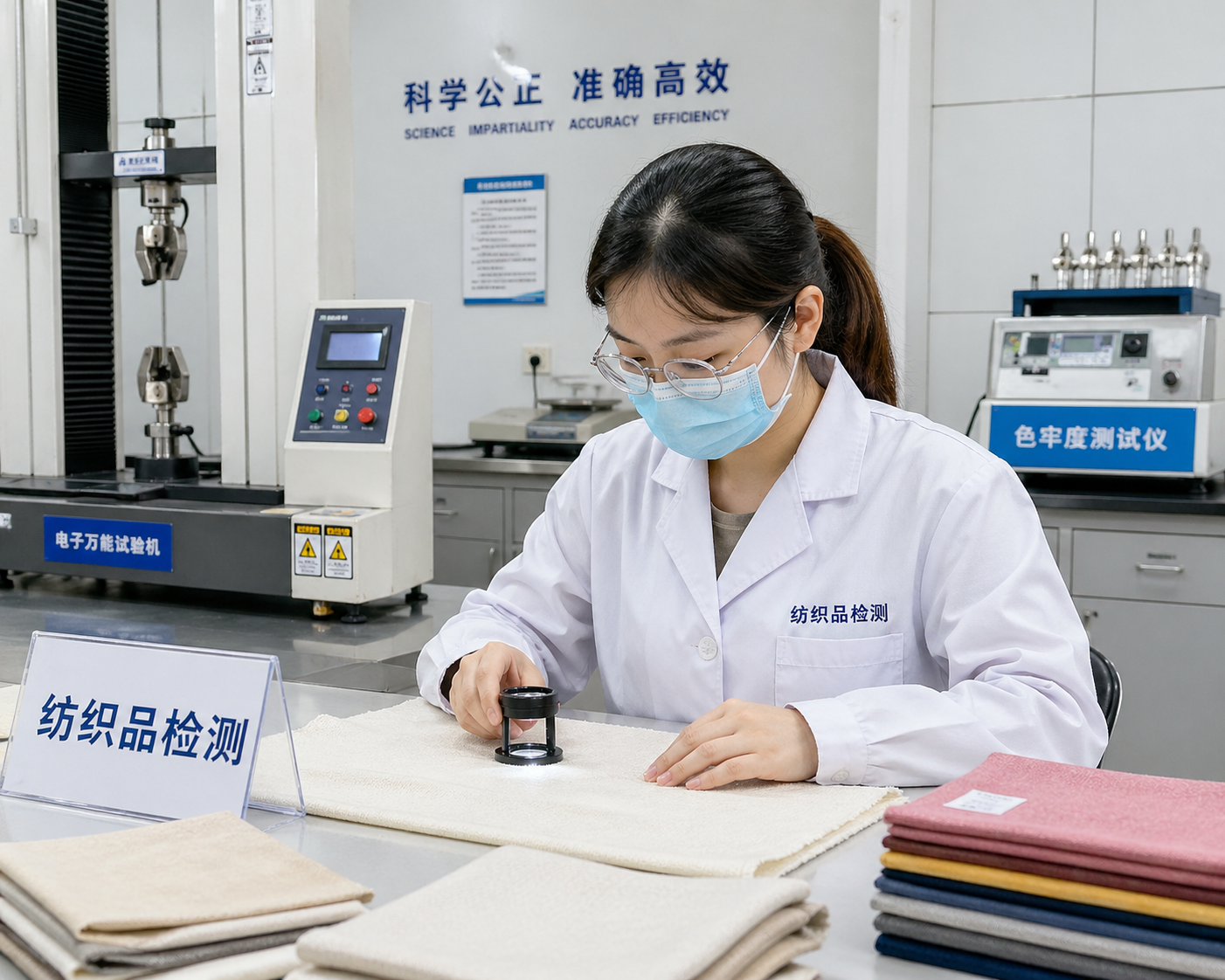
- Annual Audits: Independent testing institutes conduct on-site audits and product testing annually to maintain our certification.
- Proactive Compliance: As OEKO-TEX updates its testing criteria each year, we stay ahead of new substance restrictions, so your products remain compliant in your target markets.
- Peace of Mind: You can confidently market your products as OEKO-TEX certified, knowing every component — from our elastic webbing to our fabrics — meets stringent international safety standards.
Conclusion: Make OEKO-TEX Certification Part of Your Sourcing Strategy
In an era where consumers demand transparency and regulators enforce stricter standards, partnering with OEKO-TEX certified suppliers is no longer optional — it’s essential. Whether you’re a startup lingerie brand launching your first collection or an established sportswear company expanding into new markets, OEKO-TEX certification provides a reliable, globally recognized benchmark for product safety.
Yiwin Textiles has been a trusted partner to global apparel brands since 1998. Our elastic webbing, rigid ribbons, fabrics, and underwear accessories are all OEKO-TEX Standard 100 certified to Class I and II standards — safe enough for the most sensitive skin.
Ready to discuss your next project? Contact our English-speaking sales team today.
📧 Email: edwin@yiwin889.com
📞 Phone: +86-13510506319
🌐 Website: www.yiwintextiles.com
Disclaimer: This article is for informational purposes only. Certification details and regulatory requirements may vary by region and are subject to change. Always verify the latest requirements with official sources.